Source Industrial Agriculture Otr Tyre for Forklifts, Excavators, and Trucks
Compare 30 industrial agriculture otr tyre options featuring high load performance and anti-puncture designs. These solid and tubeless tires support forklifts, excavators, and heavy trucks with customizable sizes and global export standards; compare the available evidence and request quotations based on your requirements.
Key considerations
Products List


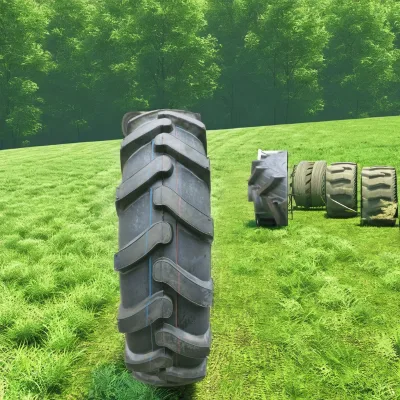

Comprehensive Sourcing Guide
Industrial Agriculture OTR Tyre Sourcing Guide
Sourcing industrial agriculture off-the-road (OTR) tyres requires a disciplined approach to matching tyre construction with the specific demands of heavy machinery. Buyers must first distinguish between solid and pneumatic options, as the supplied data indicates a market presence for both solid tyres designed for forklifts and excavators, as well as radial and bias-belted pneumatic tyres for larger agricultural and mining equipment. The decision between these types hinges on the operational environment, where solid tyres offer puncture resistance in debris-heavy zones, while pneumatic variants provide superior shock absorption and traction on varied terrain.
Procurement teams should also evaluate the customization capabilities of suppliers, as many manufacturers offer tailored solutions for specific vehicle models and load requirements. The availability of OEM services and customized tread patterns allows buyers to optimize performance for unique field conditions, such as dual-purpose or transverse tread designs. Understanding these variations is critical, as a one-size-fits-all approach rarely succeeds in industrial agriculture, where machinery operates under extreme stress and varying soil conditions that demand specific rubber compounds and structural reinforcements.
Product Scope and Observed Listing Signals
The current market landscape for industrial agriculture OTR tyres reveals a diverse range of product specifications, with observed prices spanning from $2 to $2,000 USD and minimum order quantities (MOQs) ranging from single units to full 20-foot containers. This wide variance reflects the difference between smaller specialty tyres and large-scale mining or heavy agricultural tyres, such as those with diameters of 22 inches or larger. Buyers should note that while some listings highlight high-load performance and excellent cut resistance, these attributes are specific to certain models and should not be assumed for all products in the category.
Listing signals also indicate a strong emphasis on material quality and testing rigor, with many suppliers citing the use of natural rubber from Malaysia and steel wire or nylon cord materials. Testing methods such as Ray-X and balance testing are frequently mentioned, suggesting a focus on internal structural integrity and uniformity. However, buyers must verify these claims independently, as the presence of such statements in product descriptions does not guarantee that every listed item meets these rigorous standards. The origin of products, primarily from Shandon Province, China, provides a centralized sourcing hub, but it necessitates careful due diligence to ensure consistent quality across different batches and suppliers.
Technical Specifications to Verify
When evaluating technical specifications, buyers must prioritize the tyre hierarchy and construction type, as these factors directly influence durability and load-bearing capacity. The data shows options ranging from 16PR to 20PR hierarchies, with designs including radial, bias-belted, and tubeless configurations. It is essential to confirm whether the tyre requires an inner tube or is designed as a vacuum or low-pressure tyre, as this impacts installation complexity and maintenance requirements. Misidentifying the construction type can lead to premature failure and operational downtime, making precise specification matching a critical step in the procurement process.
Tread pattern and diameter are equally vital considerations, with options including dual-purpose, transverse, and various standard sizes like 23.5-25 or 29.5-25. Buyers should verify that the selected tread pattern aligns with the specific soil conditions and traction needs of their agricultural or industrial operations. Additionally, the diameter must be compatible with the existing wheel rims and clearance constraints of the machinery. While some suppliers offer a variety of sizes, buyers must ensure that the chosen model fits their fleet’s technical requirements without necessitating costly modifications to the vehicle structure.
Compliance and Safety Documentation
Compliance with international standards is non-negotiable for industrial agriculture OTR tyres, particularly when operating in regulated markets. The observed certifications include CE, FCC, RoHS, GS, ECE, CCC, and DOT, indicating that many suppliers adhere to multiple regional safety and environmental regulations. Buyers should request valid certification documents for the specific tyre models they intend to purchase, as certification status can vary between product lines and manufacturing batches. Ensuring that the tyres meet the relevant standards for the destination market is crucial for legal compliance and insurance validity.
Safety documentation should also encompass detailed product specifications and testing reports that verify the tyre’s performance under load and stress. Buyers must confirm that the tyres have undergone rigorous testing, such as the mentioned Ray-X and balance testing, to ensure structural integrity. Additionally, understanding the material composition, including the use of natural rubber and specific cord materials, helps in assessing the tyre’s resistance to environmental factors like UV exposure and chemical degradation. Proper documentation not only ensures safety but also facilitates smoother customs clearance and regulatory approval in international trade.
Cost Drivers and Commercial Terms
Cost drivers for industrial agriculture OTR tyres include material quality, tyre size, and the level of customization required. Larger diameters and higher load performance ratings typically command higher prices, while customized tread patterns or specific material compositions can add to the overall cost. Buyers should analyze the price range of $2 to $2,000 USD in the context of these factors, recognizing that lower prices may correspond to smaller or less specialized tyres. Understanding these cost drivers helps in budgeting accurately and avoiding unexpected expenses during the procurement process.
Commercial terms, such as MOQs and packaging, also significantly impact the total cost of ownership. The observed MOQs range from single units to full containers, allowing flexibility for both small-scale and large-scale buyers. Packaging options, including woven or plastic bags and standard export packaging, should be considered for their impact on shipping costs and product protection. Buyers should negotiate clear terms regarding delivery times, payment methods, and warranty policies to mitigate financial risks and ensure a smooth transaction process.
Supplier Qualification and Quality Control
Supplier qualification is a critical step in ensuring the reliability and consistency of industrial agriculture OTR tyres. Buyers should verify the supplier’s manufacturing capabilities, including their use of advanced technologies like German technology, which may indicate higher production standards. It is also important to assess the supplier’s quality control processes, such as their adherence to ISO standards and their ability to provide consistent product quality across batches. A robust quality control system minimizes the risk of defects and ensures that the tyres meet the specified performance criteria.
Additionally, buyers should evaluate the supplier’s reputation and track record in the industry, looking for evidence of successful long-term partnerships and positive customer feedback. The availability of OEM services and customization options can also indicate a supplier’s flexibility and commitment to meeting specific buyer requirements. By conducting thorough due diligence on supplier qualifications, buyers can establish a reliable supply chain that supports their operational needs and reduces the risk of supply chain disruptions.
Long-Term Procurement Checks
Long-term procurement checks involve continuous monitoring of tyre performance and supplier reliability to ensure sustained value. Buyers should implement a system for tracking tyre lifespan, maintenance costs, and failure rates to identify any trends or issues that may require corrective action. Regular audits of supplier quality control processes and certification status help maintain high standards and ensure compliance with evolving regulatory requirements. This proactive approach allows buyers to address potential problems before they impact operations and maintain a competitive edge in their industry.
Furthermore, buyers should foster strong relationships with suppliers to facilitate open communication and collaborative problem-solving. Regular feedback on product performance and market trends can help suppliers improve their offerings and better meet buyer needs. By staying informed about industry developments and technological advancements, buyers can make informed decisions that enhance the efficiency and safety of their industrial agriculture operations. This long-term perspective ensures that procurement strategies remain aligned with business goals and operational demands.
FAQs
What certifications do these industrial agriculture otr tyres have?
These tyres carry multiple certifications including FCC, RoHS, CE, GS, ECE, CCC, DOT, and ISO. This ensures compliance with international safety and environmental standards for heavy-duty applications in various global markets.
Can I request customization for these industrial agriculture otr tyres?
Customization is available for specific requirements, though some standard models are non-customized. Buyers can specify dimensions and tread patterns to match their machinery needs while maintaining high load performance and cut resistance.
Which specifications are available for these industrial agriculture otr tyres?
Available specifications include diameters of 22 inches or larger with models like 23.5-25 and 29.5-25. These radial and bias-belted options feature steel or nylon cord materials suitable for forklifts and excavators in all seasons.
How is the quality of these industrial agriculture otr tyres defined?
The tyres are classified as Grade A New Tyres with excellent cut resistance and anti-puncture advantages. They undergo Ray-X and balance testing to ensure high load performance and durability for demanding industrial agriculture environments.
What is the minimum order quantity for these industrial agriculture otr tyres?
The minimum order quantity ranges from one unit up to a full 20-foot container depending on the supplier. Buyers should verify specific MOQ values as they vary between single units and container loads for different product models.
Where are these industrial agriculture otr tyres manufactured?
These tyres are manufactured in Shandon Province, China, utilizing German technology and natural rubber from Malaysia. The production origin ensures consistent quality while meeting the diverse export market demands across Asia, Africa, America, and Europe.